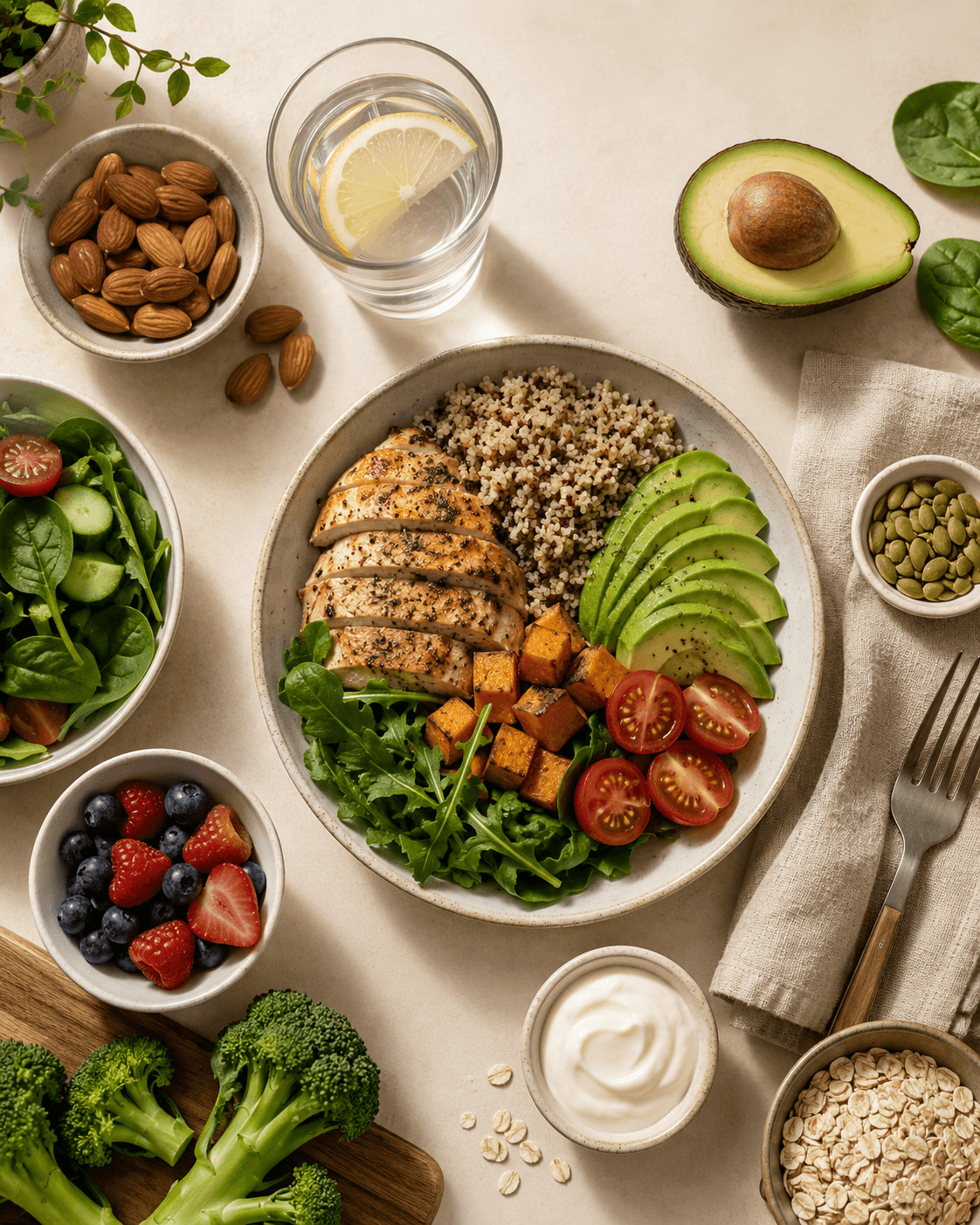


Why You're Always Hungry Even After Eating

You finish a meal. Maybe it was a decent sized lunch or dinner. For a little while you feel satisfied, then an hour later you're already thinking about snacks. Sound familiar?
It happens to a lot of people. Being hungry all the time doesn't always mean you're eating too little. Sometimes your body is trying to tell you something else. The good news is that once you understand the reasons, they're often easier to fix than you might expect.
Here are some of the most common reasons you may still feel hungry after eating.
You're Not Eating Enough Protein
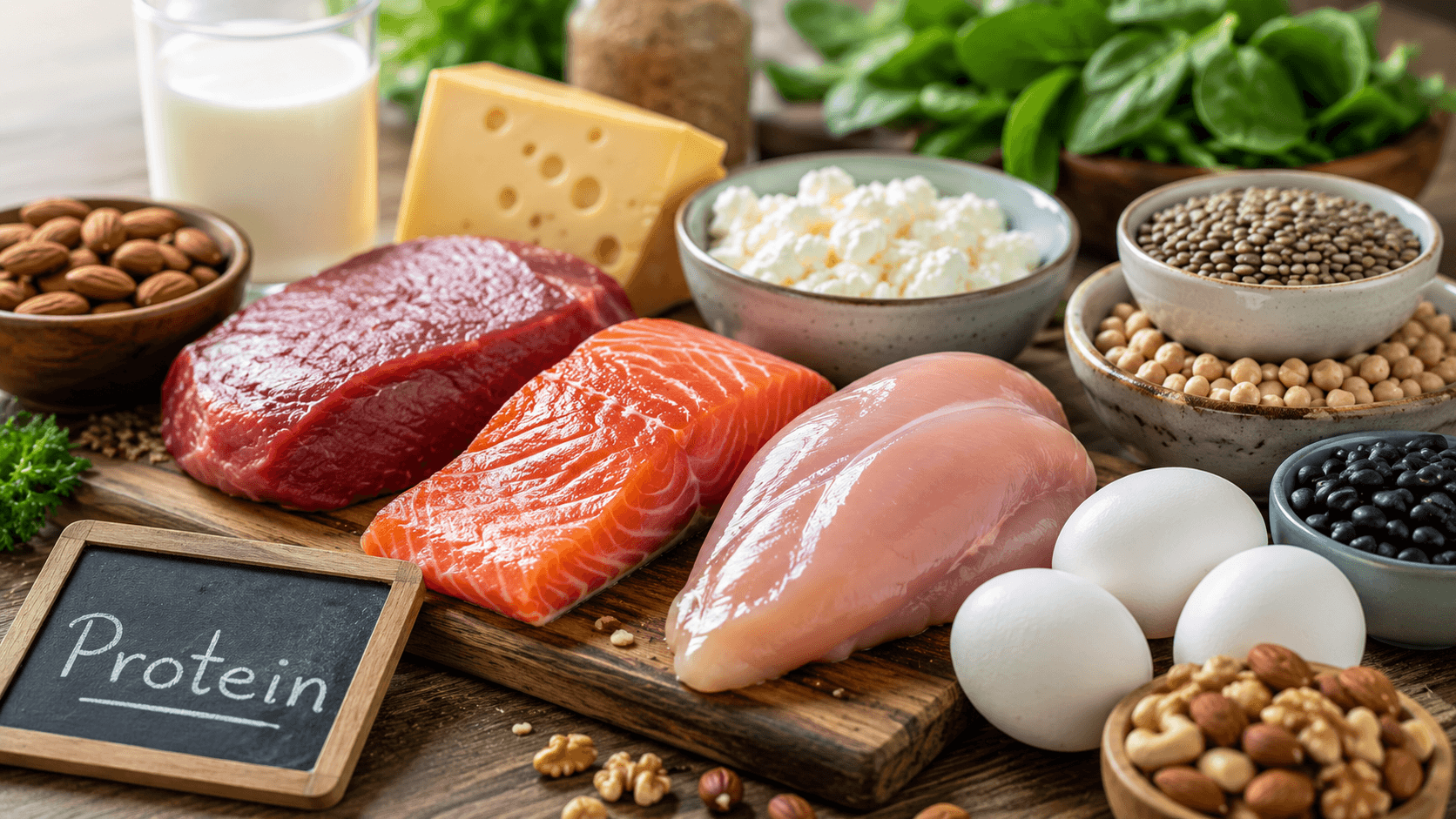
Protein is one of the most filling nutrients your body can get. It takes longer to digest and helps reduce hunger hormones while increasing the hormones that make you feel full.
If your meal is mostly white rice, bread, or pasta with very little protein, there's a good chance you'll be hungry again quite quickly.
Try adding foods like chicken, fish, eggs, Greek yogurt, cottage cheese, tofu, beans, or lentils. Even a small increase can make a noticeable difference.
Personally, I think this is one of the biggest mistakes people make when they're trying to eat healthier. They cut calories but forget about protein.
Your Meal Doesn't Have Enough Fiber
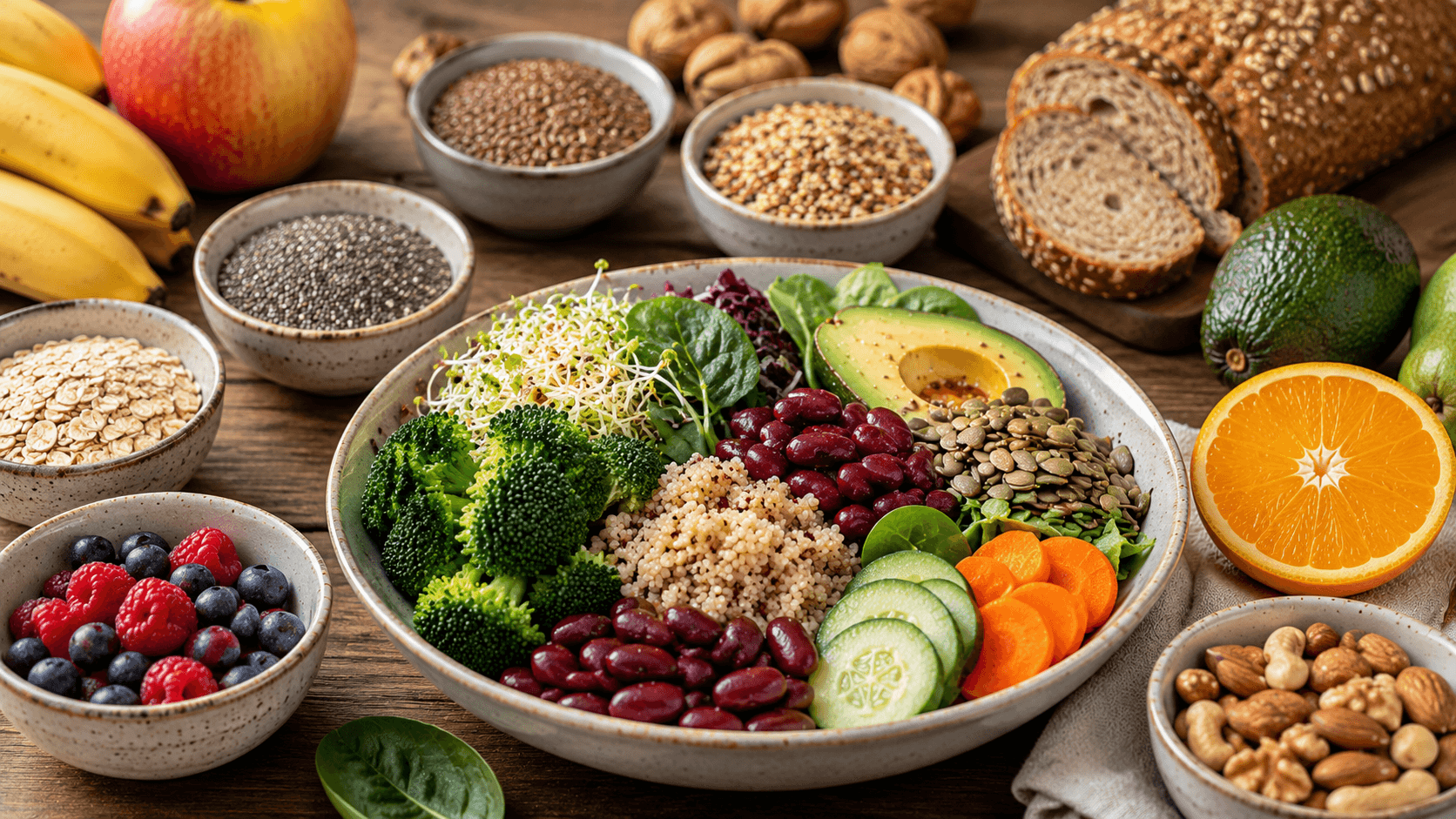
Fiber slows digestion. That means food stays in your stomach longer, helping you feel satisfied.
A meal with vegetables, fruits, whole grains, beans, or oats usually keeps you full much longer than one made mostly from refined carbohydrates.
Think about the difference between eating a bowl of oatmeal and eating two sugary pastries. Both may have similar calories, but they don't leave you feeling the same.
You're Eating Too Fast

Life gets busy. Many of us eat while scrolling on our phones, working, or watching TV.
The problem is your brain needs a little time to recognize that your stomach is full. If you finish your meal in five minutes, your body may not have caught up yet.
Try slowing down. Take smaller bites. Chew properly. It sounds almost too simple, but it actually works for many people.
You're Not Drinking Enough Water

Sometimes what feels like hunger is actually thirst.
Mild dehydration can confuse the signals your brain receives. Before reaching for another snack, try drinking a glass of water and waiting about fifteen minutes.
Not every craving disappears. But some definitely do.
Your Meals Are Mostly Refined Carbohydrates
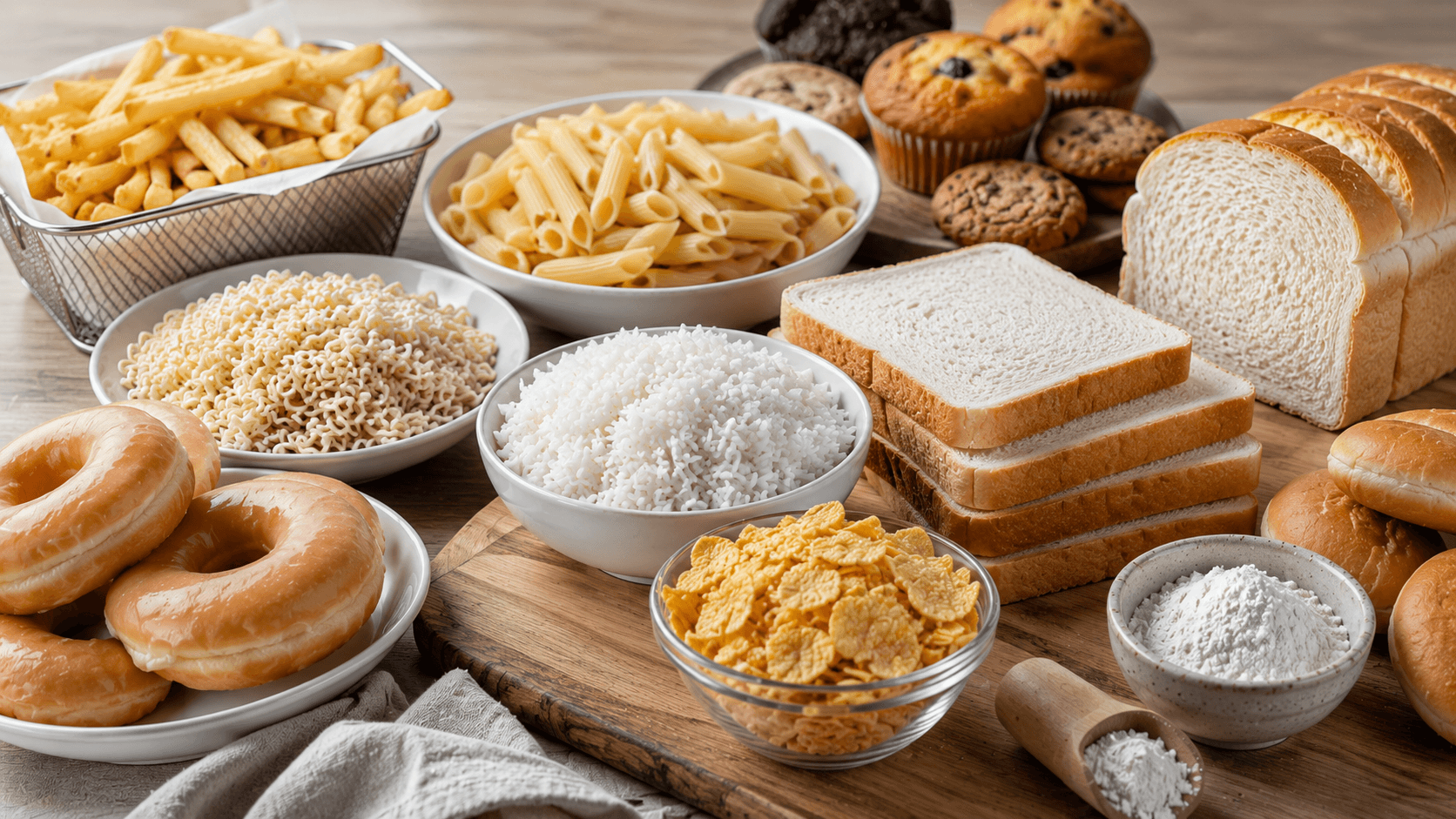
Foods like white bread, sugary cereals, cakes, cookies, and sweet drinks can cause blood sugar to rise quickly. Then it falls just as quickly.
That sudden drop often leaves you feeling hungry again.
Instead, build meals around foods that digest more slowly. Whole grains, vegetables, healthy fats, and protein are a much better combination for lasting energy.
You're Not Sleeping Enough

Poor sleep affects the hormones that control hunger and fullness.
After a bad night's sleep, many people notice stronger cravings for sweets, chips, fast food, and other high calorie snacks.

Keep reading
Iron-Rich Foods That Actually Support Healthy Energy Levels
It's not just about willpower. Your body is literally asking for quick energy because it's tired.
Getting seven to nine hours of good sleep can make healthy eating feel much easier.
Stress Can Make You Feel Hungry

Have you ever opened the fridge even though you weren't really hungry?
Stress can increase levels of cortisol, a hormone that may increase appetite in some people.
Food can also become a source of comfort. That's completely normal. Most people have done it at some point.
The trick is learning to notice whether you're physically hungry or simply looking for relief from stress, boredom, or emotions.
You're Eating Too Little Overall

Ironically, eating too little can make you think about food all day.
Very restrictive diets often leave people feeling hungry, tired, and frustrated. Eventually many end up overeating because their body is trying to make up for the lack of energy.
Healthy eating shouldn't feel like constant suffering.
Certain Health Conditions Can Increase Hunger

In some cases, ongoing hunger may be linked to a medical condition.
Poorly controlled diabetes, an overactive thyroid, certain medications, and some hormonal conditions can all increase appetite.
If you're eating balanced meals but still feel extremely hungry every day without an obvious reason, it's worth speaking with a healthcare professional.
Small Changes That Can Help

You don't need a perfect diet. Most people don't have one.
Instead, focus on a few simple habits.
Eat protein with every meal.
Fill half your plate with vegetables.
Choose whole grains more often.
Drink enough water throughout the day.
Slow down while eating.
Aim for consistent sleep.
Try not to skip meals if it leaves you starving later.
These changes may seem small on their own, but together they can make a big difference.
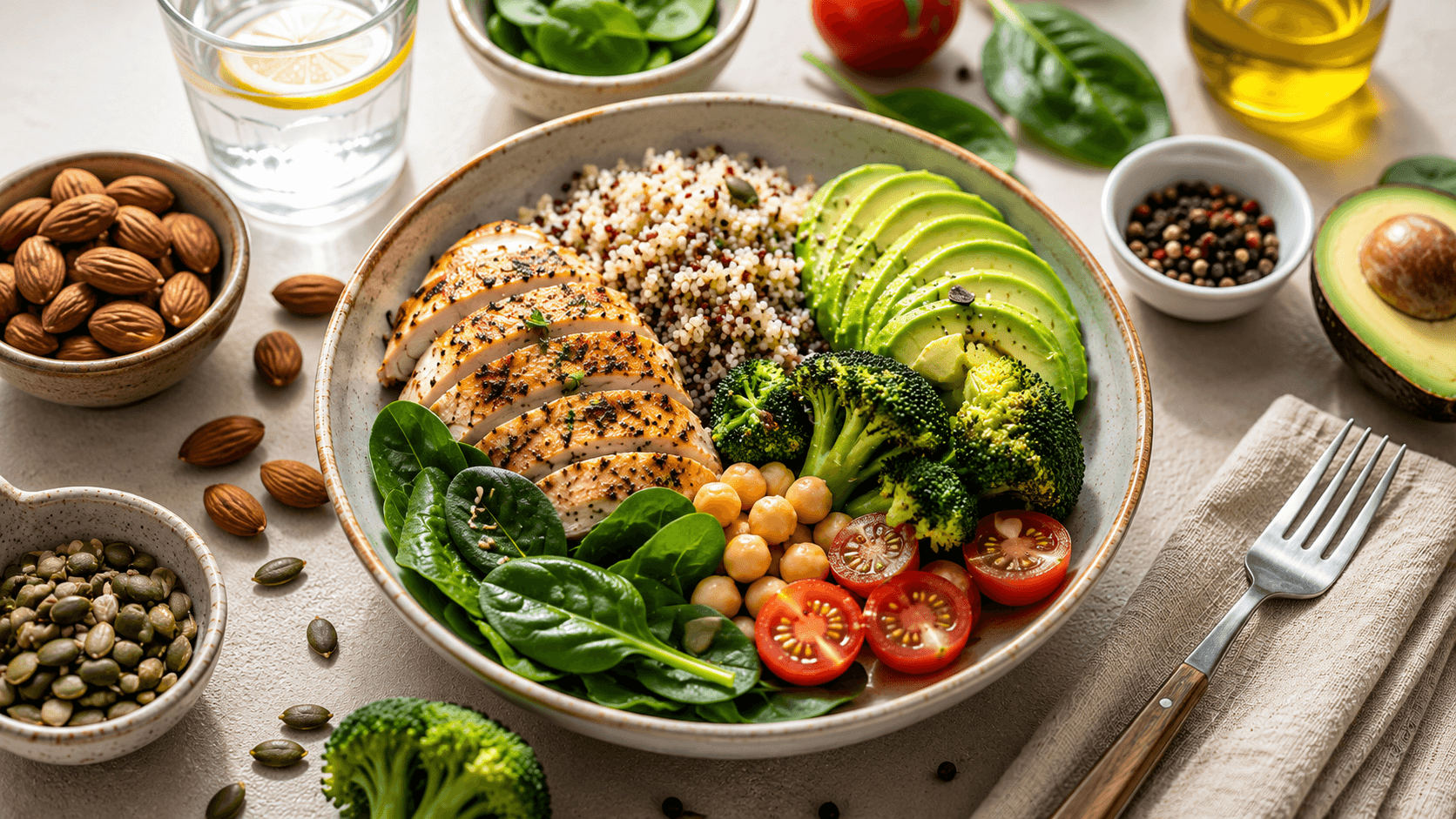
Feeling hungry after eating isn't always about lacking self control. Quite often, it's about what you're eating, how you're eating, or even how well you've slept the night before.
Start by changing one habit instead of trying to fix everything at once.
Sometimes adding more protein to breakfast is enough. Sometimes it's drinking more water or getting an extra hour of sleep.
Small improvements are easier to stick with, and those are usually the ones that last.
Our editorial promise
Prepared with clarity and care.
This guide completed our editorial review before publishing. If something needs attention, report a correction or contact the publisher.
About this article
- Published:
- Last updated:
- Author:
- Ceyora Editorial Team
- Review status:
- Editorially reviewed
- Sources:
- 0
- Corrections:
- Report an issue